
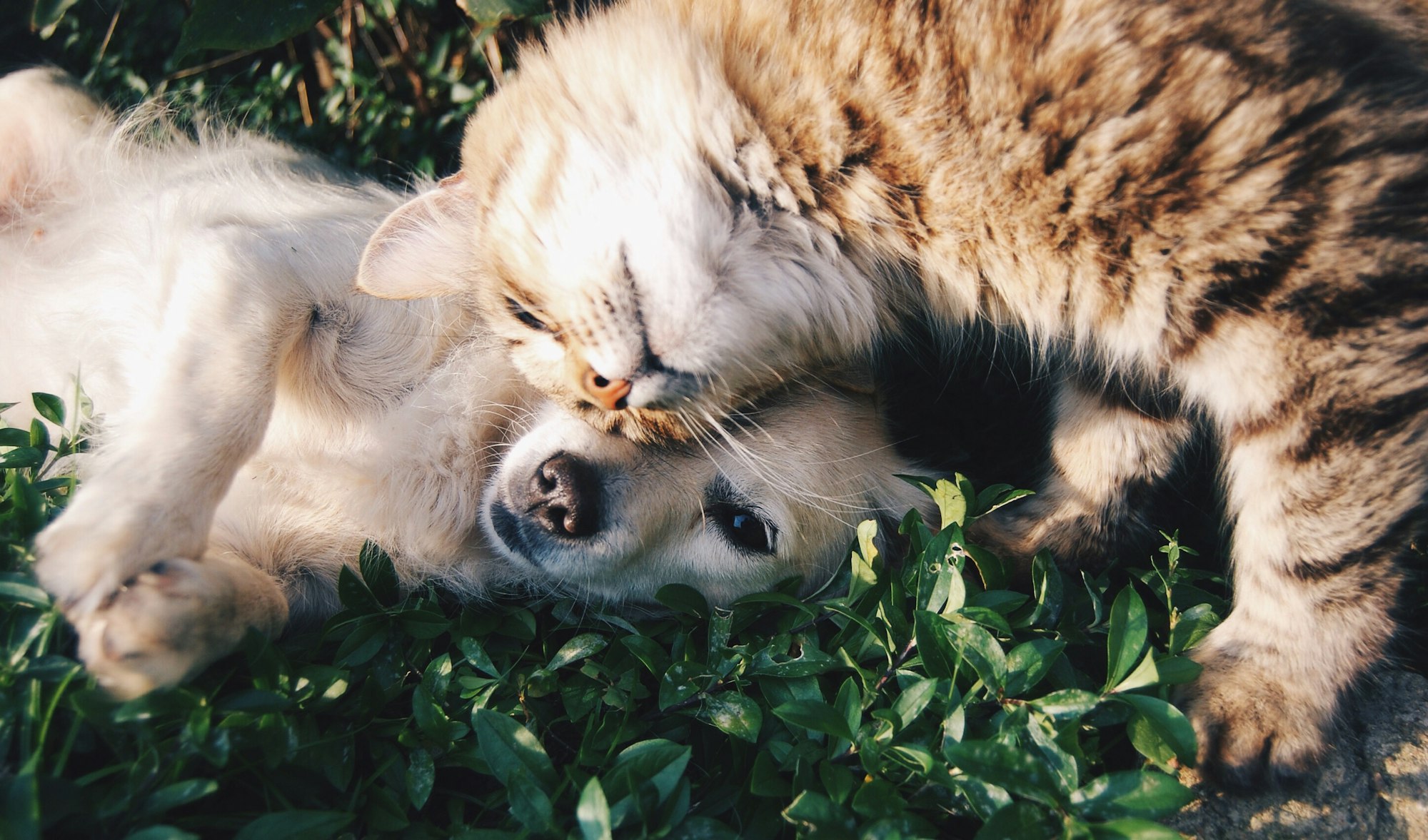
Managing medications for one pet already takes discipline. Add a second or third animal, each with its own prescription, dose and timing, and a routine you kept in your head stops working. The care is often shared, too: in a New Zealand study of dog owners, 38% said someone else also gave their dog’s medication.
Why more pets means more mistakes
One pet on a once-daily medication is easy to manage by habit. Add a second pet on twice-daily doses and a third on three a day, and you’re making six decisions a day about who gets what. Frequency matters on its own. In a 2005 study of dogs on short-term antibiotics, owners dosing once or twice a day were about nine times more likely to give every dose than owners dosing three times a day.
Then there’s the risk of a mix-up. You give Biscuit’s flea treatment to Mango, or grab the wrong bottle in a rush. Some medications that are safe for dogs are toxic to cats. The ASPCA notes that permethrin, common in dog flea products, can cause severe tremors and seizures in cats, so an honest mistake can become an emergency.
Where routines fall apart
Most struggling households have a system built for one pet and one person. You can hold one pet’s schedule in your head, but not three, and it gets harder when a partner or pet sitter also gives doses and nobody has a shared record.
Storage is the other weak point. If all the bottles sit together without clear labels, a tired person can easily pick up one that looks right. Travel breaks routines too, because a system that lives in your head or on the fridge doesn’t come with you.
One Notepet user put it this way in a Play Store review: “It can get complicated when you have two dogs and especially when certain supplements are being cycled (and not ongoing).”
How to keep each pet’s medications straight
Store each pet’s medications in its own labeled container, shelf section or bag. When you pick up a new prescription or a refill, check that it has the right pet’s name before you give it.
Tie doses to daily anchors that happen at the same time every day, like morning coffee or the evening feed.
Keep a log for each pet: what was given, when, and by whom.
If you give one pet another pet’s medication, call your vet or an animal poison control service right away, with the bottle in hand. Don’t wait for symptoms.
How Notepet handles multi-pet households
In Notepet, each pet has its own profile with separate medication schedules, health records and vaccination tracking. If several pets take the same medication, you add it once and attach up to five pets. One reviewer liked being able to “apply more than one dog to a medication so it does not need to be set up multiple times (like flea and tick meds).”
A shared medication follows one schedule, though. Another reviewer, with three dogs, a cat and a leopard gecko, gives the same flea and tick brand at different times, so each pet needed its own entry. If your pets get the same product at different times, plan for separate entries.
A dog on once-daily arthritis medication and a cat on twice-daily thyroid medication each get their own reminders. In the calendar, you can long-press to select several doses and mark them all Given at once.
When you share a group with a partner, you both see the same records, and each dose shows who recorded it. If your partner already gave a dose, opening its reminder shows it as given. A pet sitter can join as a Guest with view-only access.
For guidance that applies to any household, see Pet Medication Management: Why Doses Get Missed and What Helps. Managing Medications with Notepet covers the basics of the app.
Start before it gets complicated
It’s easiest to set up a system before a new pet comes home with a prescription. Try Notepet free at notepet.io: add a profile for each pet, their current medications, and a co-caregiver if you have one. The free plan covers three pets and ten medications, and Notepet Plus removes those limits.
Step-by-step help in the Notepet app: Pets guide, Medications guide, Sharing & Groups FAQs.